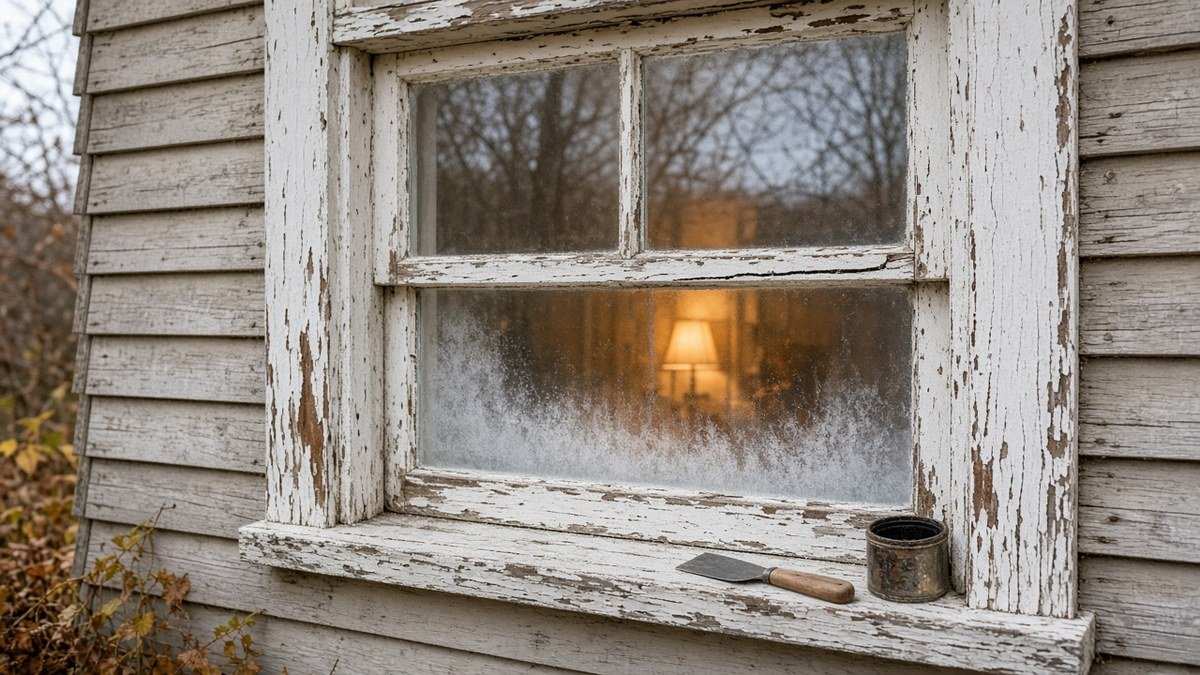
Drafty windows are one of the most common winter complaints in Pennsylvania homes, and one of the easiest places to overspend. A full set of new windows is a major investment, and it is not always the best fix for the problem you actually have. Sometimes a repair, weatherstripping or a storm window gets you most of the comfort for a fraction of the cost.
Here is how to figure out which path fits your windows, what the numbers look like, and how to compare quotes.
First, figure out what is wrong
Walk the house on a cold, windy day and note what each window is doing. Problems usually fall into a few groups:
- Drafts around the sash or frame: often worn weatherstripping, gaps in caulk, or a sash that no longer closes tightly
- Fog or moisture between the panes: a failed seal in an insulated glass unit
- Cracked or broken glass: a glass repair, not usually a reason to replace the whole window
- Sash will not stay up or is hard to open: often a broken balance, cord or hardware
- Soft, rotted wood at the sill or sash: the most important one to catch, because it can spread into the wall
- Condensation on the inside of the glass: often a humidity issue in the house as much as a window issue
Knowing the specific issue makes it much easier to get a fair quote and avoid being sold more than you need.
When repair makes sense
Repair is usually the better value when the frame is solid and the problem is limited to one part:
- Replacing a cracked pane or a fogged insulated glass unit in an otherwise good window
- Replacing a broken balance, sash cord or lock
- New weatherstripping, glazing putty, or exterior caulk
- Small areas of wood rot that can be cut out and patched with epoxy filler
Original wood windows in older Pennsylvania homes can often be restored and made reasonably tight, especially when paired with storm windows.
When replacement makes sense
The ENERGY STAR guidance on windows and storm windows points to a few signs that replacement deserves a closer look:
- Single-pane windows throughout the house
- Frames, sills or sashes that are badly rotted, warped or deteriorated
- Windows that are painted or swollen shut and cannot be made to operate
- Multiple failed seals across many windows of the same age
If you replace, look for ENERGY STAR certified windows rated for your climate zone on the ENERGY STAR map, and compare the U-factor on the label: lower numbers mean less heat loss.
The middle option: storm windows
For many older homes, low-e storm windows are the underused option. They mount inside or outside an existing window and add a second layer. ENERGY STAR cites an EPA estimate that low-e storm windows installed over single-pane windows can save about 20 percent on heating and cooling costs. They cost much less than full replacement and let you keep original windows.
The Department of Energy and ENERGY STAR both recommend tackling air sealing and insulation before, or along with, window upgrades, because those usually deliver more energy savings for the money. Our attic insulation guide covers that side.
DIY fixes for this winter
If replacement is a spring project, you can still cut drafts now:
- Re-caulk exterior gaps where the window trim meets siding or brick
- Add or replace weatherstripping on sashes that do not seal tightly
- Seal gaps between the window frame and the rough opening with low-expansion foam made for windows and doors
- Use interior window insulation film on rooms that are rarely used
Our free calculators help you buy the right amount: the Caulk – Tubes Needed calculator and the Window/Door Foam – Cans Needed calculator. Use low-expansion foam only. Standard expanding foam can bow a window frame.
What it costs (planning estimates)
These planning ranges come from the PA Home Repair Estimator at the Standard level. They are not quotes.
- Window repair: about $200 to $800 for a typical repair job, typical around $500
- Window replacement, retrofit, standard size: about $300 to $1,200 per window, typical around $780
- Window replacement, full-frame: about $360 to $1,440 per window, typical around $936
- Eight retrofit windows: about $2,400 to $9,600, typical around $6,240
A retrofit (insert) window fits inside the existing frame, which costs less and disturbs less trim. A full-frame replacement removes the old frame down to the rough opening, which costs more but lets the installer fix rot, flashing and insulation around the opening. If your sills or frames are rotted, a retrofit can trap the problem rather than fix it.
You don’t have to do every window at once
Replacing a whole house of windows in one contract is common, but it is not required. Many homeowners start with the worst windows, such as rotted units on the weather side of the house or a drafty bedroom, and repair or add storms to the rest. Doing it in phases spreads out the cost and lets you see how the first installer performs. The trade-off is that a larger order sometimes gets a better per-window price, so ask for pricing both ways.
Comparing window quotes
Window quotes vary a lot, partly because they bundle different things. Ask each company to put in writing:
- The exact product line, glass package and energy ratings (U-factor and solar heat gain)
- Retrofit or full-frame, and how they will handle any rot found in the opening
- Whether interior and exterior trim, capping, and disposal are included
- Installation warranty terms, separate from the manufacturer’s warranty
- A clear payment schedule
Be cautious with high-pressure, “today only” pricing. Pennsylvania’s home improvement law gives you rights for many contracts, including a written contract and a cancellation period. Our guide to PA home repair estimates explains how to read a quote, and the Western PA winter maintenance checklist covers other cold-weather fixes.
Next step: price both paths
Run window repair and window replacement in the free PA Home Repair Estimator so you know the planning range for each before you invite anyone over. If you want something to print or hand to contractors, you can add the $7 Project Planning Guide (your estimate with itemized lines and questions to ask), the $12 Job Kit (a scope checklist and a worksheet to compare up to three bids), or the $25 Project Pack, which bundles both with a Bid Check worksheet.
Cost figures are estimates for planning only, not quotes. Actual prices depend on your home, your contractor and current material costs.